Improve Construction Outcomes With a Total Project Life Cycle Mindset
One of the greatest barriers to controlled costs, risks and owner satisfaction on a build is a lack of communication among stakeholders. To reduce these barriers and ensure quality results, one goal is to improve relationships, communication and collaboration during construction projects. The best way to do that is to approach a build with a total project life cycle mindset.
Read on to learn what this is and how to implement this mindset throughout your next project!
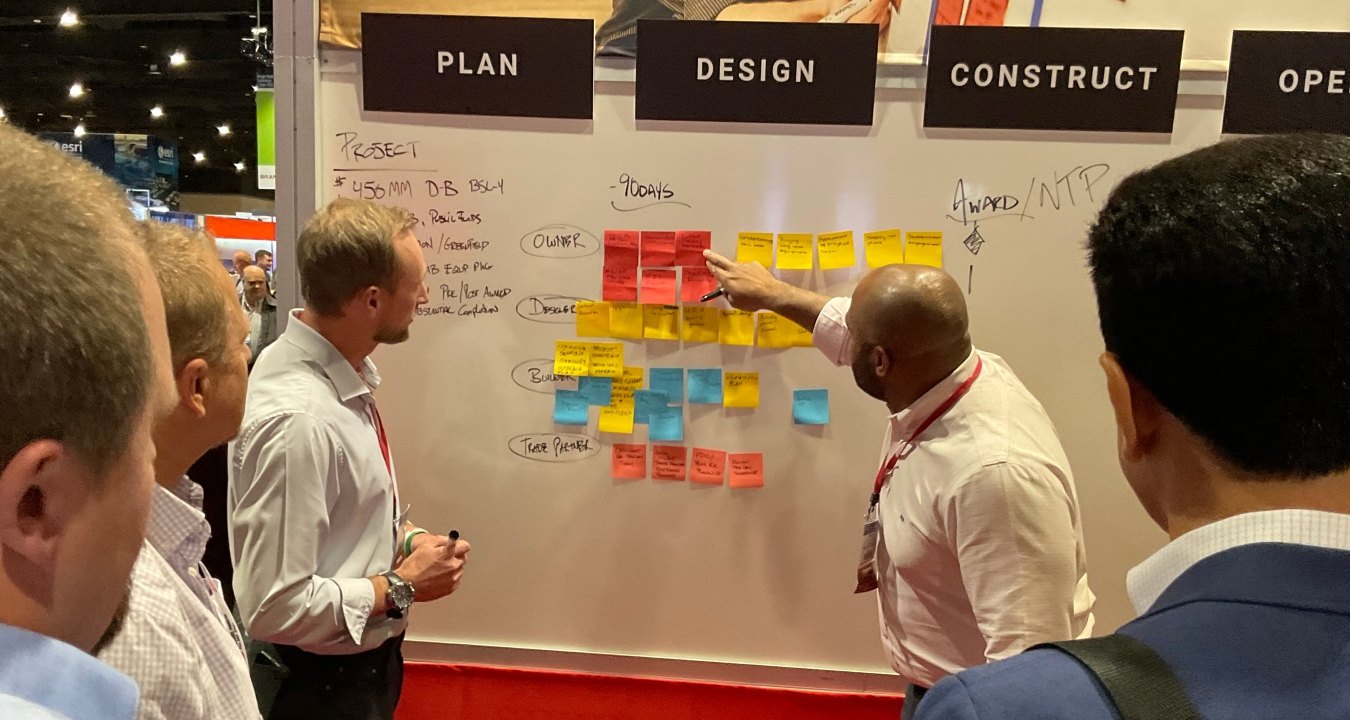
First, What Is a Project Life Cycle?
The construction project life cycle refers to the series of phases that a construction project goes through from its initial conception to completion and delivery. It provides a structured approach to managing the project and ensures all critical aspects are addressed systematically. Each phase focuses on specific tasks, deliverables, and goals to guide the project from start to finish. The project life cycle typically consists of four phases: planning, design, construction and operation.
What Is a Total Project Life Cycle Mindset?
A total project life cycle mindset occurs when all phases of a construction project are considered by all project teams working throughout the project. Regardless of the project delivery method, a project will be most successful when viewed holistically as it continually evolves between phases. Adaptable expectations and next steps support a smooth transition between phases and project teams.
Traditionally, during a construction project, designers, general contractors and trade partners have distinct roles, with each only consulted during a small part of the life cycle of a project. However, decisions made at different points of the life cycle can significantly impact the budget or schedule. Without the right knowledge during all project phases, owners might find themselves with a finished product that doesn’t achieve the goals or vision they had set.
Understanding the Four Project Life Cycle Phases
The total project life cycle can be summarized into four phases: plan, design, construct and operate. While the phases of a project life cycle are traditionally viewed as distinct and separate, this often isn’t the reality on the ground.
Get to know these four, somewhat overlapping, construction project phases and how to view them with a total project mindset:
Plan
Bring project teams such as designers, contractors and engineers into the early planning phase of the build. From the beginning, you can lean on their experience to proactively address challenges later in the project. From land selection, permitting, fundraising and setting honest expectations around budgets and schedules, a builder and other experts can provide early advice to keep the project moving smoothly and aligned with goals.
Design
In the design phase, the builder and other project teams can add their point of view and expertise to the conversation for efficiency through preconstruction. They can also provide indicative pricing, reduce change orders and help the team remain accountable to the conditions of satisfaction. Better design leads to better construction.
Construct
The construction phase is what the builder knows best. They can use a wealth of knowledge, skills and experience to lead this process while providing additional value to you through opportunities identified in the planning and design phases. Working with a builder who is familiar with a project from the start of its life cycle supports successful construction that meets the planning and design conditions of satisfaction.
Operate
The majority of the project’s life will take place after it’s finished being built. Having a trusted builder by your side through the final step, operation, will help it meet your end users’ needs. If one day it no longer meets your needs, your builder should be there to help you modify the building to make sure it does.
To Improve Outcomes, Shift Your Project Mindset
We’ve seen firsthand how viewing a project as a life cycle (with teams collaborating throughout the build rather than as separate phases with minimal stakeholder teamwork) can radically improve project outcomes. Years of implementing collaborative project delivery methods that have multiple teams working together “outside their lanes” show that project mindset shifts can improve outcomes for everyone.
Work With a Team that Takes a Holistic Approach
As it turns out, collaboration at every phase of the project’s life cycle is beneficial. While the plan, design, construction and operation phases were traditionally viewed as separate and distinct, this no longer has to be the expectation.
Interested in learning more about partnering with a builder who can collaborate with vendors and stakeholders throughout the construction project life cycle? Contact McCarthy, a leader in owner satisfaction who uses a project life cycle mindset to make civil and commercial projects the best they can be.
***
About the Author
Doug Mangers is Senior Vice President, Operations for McCarthy’s Central Region. With more than 30 years of experience in the construction industry, he has spent the majority of his career working to develop strong team relationships on complex projects with a continual focus on performance throughout the project life cycle and client satisfaction. He began his career at McCarthy as a project engineer, also holding positions as a project superintendent, project manager, project director and business unit leader before assuming his current role. Doug has completed construction projects across America, within many market sectors including healthcare, higher education, industrial and science & technology. He holds a bachelor of science in civil engineering from the University of Illinois.